









Mike Flanagan’s Stephen King adaptation explores Chris Hargensen’s entitlement, Carrie’s innocence and the psychology of bullying to show how cruelty can create the very monsters we fear.

Carrie (2026) Episode 1 review and explained: Explore Chris Hargensen’s bullying, Carrie’s innocence, parental influence and the psychology behind cruelty.
One of the things I appreciate most about Carrie is that it doesn’t simply present its characters as good or evil. It gives them histories, personal struggles and motivations that help us understand where they come from and what pushes them towards the people they eventually become.
And that matters because, beneath its supernatural horror, Carrie is a story about how people treat those who are different from them, how cruelty can grow out of insecurity and entitlement, and how the people who are supposed to protect us can sometimes contribute to our suffering.
Chris Hargensen is one of the most interesting examples of this in the first episode.
Carrie (2026) Season 1 Episode 1 Review: Nobody Is Born a Monster, People Make Them One
Carrie (2026): Chris Hargensen, A Privileged Girl Who Is Losing Control of Her Life

Chris Hargensen, played by Alison Thornton, is Sue’s best friend. She comes from a privileged background and has grown accustomed to getting what she wants. But her life is beginning to fall apart.
Her mother has left the family for another man, leaving Chris to deal with the emotional fallout. She was heavily dependent on her mother, and now she suddenly has to do more things for herself. She isn’t happy about it, and much of that frustration spills over into her relationship with Carrie.
Her father, played by Michael Trucco, isn’t exactly helping matters. In his own way, he bullies his daughter, who is already struggling to cope with everything happening at home.
Then comes another devastating blow: Chris discovers that she cannot afford to attend Duke, even though she has been accepted. She and Sue had been planning their futures together, and now that dream seems to be slipping away.
It’s particularly frustrating because Chris drives a Mercedes to school. From the outside, she appears to have everything, but her father’s financial situation means she can’t afford the future she imagined for herself.
All of this leaves her feeling angry, helpless and increasingly dependent on circumstances she cannot control.
And then she sees Sue being kind to Carrie.
That stings.
Chris becomes jealous, and Carrie turns into a target despite having done nothing wrong. It seems that Chris’s circumstances are helping transform her from a mean girl into a full-blown bully who seeks control over someone weaker because she has lost control over her own life.
At home, she cannot control what is happening. She cannot make her mother return, change her father’s decisions or secure the future she wants. But at school, she can still exercise power over someone who has less social standing than she does.
And Carrie becomes the easiest target.
Hacks Season 1 Episodes 1–3 Review: Two Lonely People Who Can’t Stop Pushing Each Other Away
Carrie (2026):Chris Hargensen’s Circumstances Explain Her Cruelty, But Don’t Excuse It

However, I don’t think Chris Hargensen’s difficult circumstances are the sole reason she bullies Carrie. Even if things were going well at home, I suspect she would eventually find another reason to dislike and torment her.
Chris is possessive of Sue and feels threatened when someone new enters their relationship. She also seems entitled, accustomed to getting what she wants without having to work particularly hard for it.
Even her college admission appears to involve her father making calls on her behalf. Chris knows she is privileged, but she has never really had to confront what that privilege means until now.
When someone grows up believing that the world belongs to them, entitlement can become deeply ingrained. They begin to assume they deserve everything, that they can have whatever they want and that other people should simply accommodate them.
Eventually, that attitude can extend beyond possessions and opportunities. People themselves become things to control, use or discard.
That’s what makes Chris interesting to me. Her backstory helps us understand where her cruelty comes from, but it doesn’t excuse what she does to Carrie.
And I appreciate that the show is willing to give her a history rather than presenting her as a bully who exists solely to make Carrie’s life miserable.
Understanding why someone becomes cruel doesn’t mean we have to forgive them for being cruel.
The scariest thing in Bring Her Back isn’t the horror, it’s grief.
Carrie: The Girl Who Never Deserved Any of This
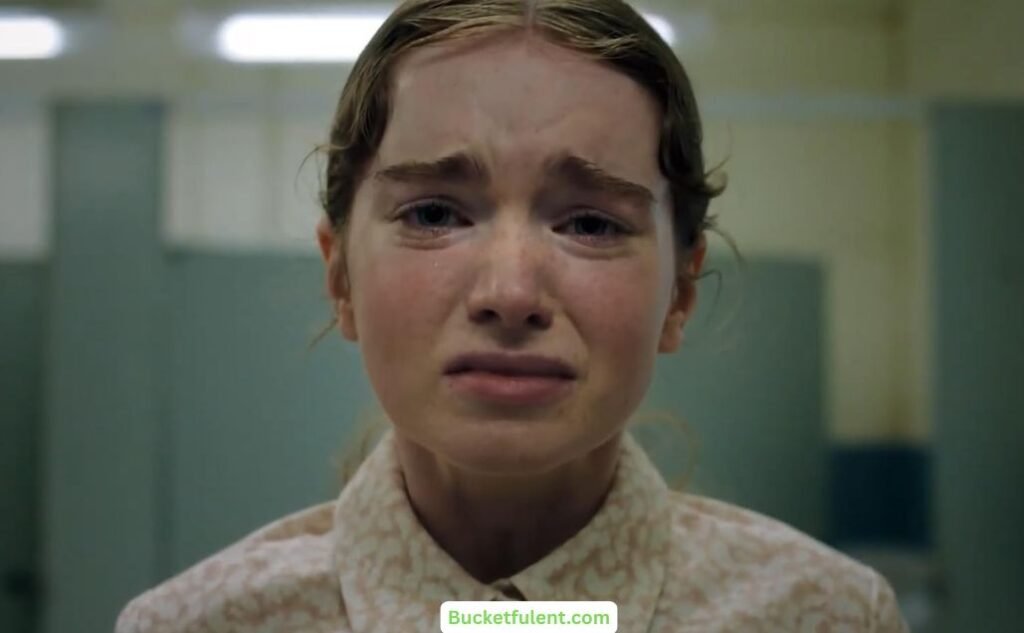
What makes Carrie’s story so heartbreaking is that she begins as someone who genuinely wants to believe in people.
Despite being raised by fanatical parents who distrust the outside world, she grows into a curious, optimistic girl who wants to explore life. The books she secretly receives from her neighbour’s daughter, hidden in a bird-feeding box, seem to have helped shape her understanding of the world.
She believes people can change, that even those who behave badly might have reasons for doing so, and that things can eventually turn out well.
She hasn’t yet experienced the kind of hatred that can make a person question everything they believe about humanity.
That changes when she enters school.
As someone who already knows the broad outline of Carrie’s story, I feel terrible for her. Summer H. Howell is perfectly cast. She makes Carrie look so adorable, fragile and pure, and her performance captures the character’s love, curiosity and kindness.
Knowing the atrocities Carrie is going to experience in the name of bullying and jealousy makes watching her so much more painful.
She is going to face betrayal, backstabbing and all kinds of cruelty from people who have no idea how much damage they are inflicting. She has spent her life sheltered from the worst parts of human behaviour, and now she is going to discover just how vicious people can become over the most petty reasons.
It’s going to destroy her, and it will probably destroy our hearts along with her.
Sometimes, I genuinely wish her story didn’t have to unfold the way we know it inevitably will.
Because Carrie doesn’t deserve any of it.
How Did The Whisper Man Become a Movie About Everything Except the Whisper Man?
The Real Horror of Carrie Is That It Could Happen Without the Supernatural
What makes this adaptation feel relevant today is that its central themes don’t depend entirely on supernatural horror.
Yes, Carrie possesses extraordinary powers, and those powers will eventually turn the cruelty directed at her into something far more terrifying. But take away the supernatural elements, and the story still reflects some very real problems in our society.
Bullying, harassment, parental neglect, social entitlement and the cruelty people inflict on others because they are different are not supernatural concepts. They are things that happen in the real world every day.
Carrie’s story is heartbreaking because she gives the world a chance despite having spent most of her life isolated from it. She wants to understand other people and believes they can be good. Yet the people she encounters are going to punish her for being different.
That’s the tragedy at the heart of the story.
Nobody deserves to be bullied or harassed simply because they don’t fit in. Yet has the world really become better since Stephen King wrote Carrie?
I don’t think we can confidently say that it has.
In some ways, the story feels just as relevant now as it did back then. We still see people being targeted for their appearance, their behaviour, their social status or simply because they don’t conform to what others consider normal.
That’s why this modern adaptation feels necessary to me. It isn’t just revisiting a classic horror story for the sake of nostalgia. It is bringing those themes back into focus and reminding us that the real horror isn’t always the monster who eventually emerges.
Sometimes, the horror lies in the people who helped create that monster.
And if bullying is going to stop, the change has to begin somewhere. I believe it should start at home, with parents teaching their children empathy, accountability and respect for people who are different from them.
Black Phone 2 Review — The Grabber Returns, But the Horror is Gone
Carrie (2026): Why the Characters’ Backstories Matter?
What I appreciate most about Carrie so far is that the show gives its important characters histories that help us understand what might eventually push them towards the people they become.
Sue’s guilt, Margaret’s possessiveness, Carrie’s innocence and Chris’s entitlement all contribute to a story that feels more complicated than a straightforward tale of a supernatural girl taking revenge on the people who hurt her.
The show doesn’t ask us to excuse everyone’s behaviour. Instead, it gives us a chance to understand the circumstances behind it.
Margaret’s love for Carrie is mixed with control and fear. Chris’s personal struggles are mixed with privilege and jealousy. Sue’s apparent kindness exists alongside the possibility that she might have failed to help Carrie when it mattered.
These contradictions are what make the characters interesting to me. People can be more than one thing at once, and understanding their motivations doesn’t mean ignoring the harm they cause.
The same is true of bullying. It doesn’t emerge from nowhere, but knowing what made someone cruel doesn’t erase the suffering they inflict on others.
And that is why I think the comparison between Carrie and Frankenstein is so fitting. Both stories explore the idea that monsters aren’t necessarily born as monsters. Sometimes, the people around them, through their cruelty, rejection and mistreatment, help create them.
Carrie is a girl full of love and curiosity who still believes people can be good. The tragedy is that the world might teach her to believe otherwise.
Review: We Bury the Dead (2025) Is Not the Zombie Film You Think It Is
Carrie (2026): Final Thoughts
Chris is one of the most interesting characters to examine because her behaviour raises an uncomfortable question: how much of the cruelty we inflict on others comes from our own insecurities, and how much comes from the environment that teaches us to treat people that way? Understanding what drives someone like Chris doesn’t excuse her actions, but it can help us understand how bullying takes root and why it is so difficult to break the cycle.
What makes Carrie so relevant is that its horror isn’t limited to supernatural powers. It’s also about what happens when people repeatedly humiliate, isolate and mistreat someone who is already struggling to find their place in the world. And that makes the story’s questions about bullying, parenting and personal responsibility worth taking seriously.
I’d love to hear your thoughts. Do you think Chris’s backstory helps explain her behaviour, or does it risk making us too sympathetic toward someone who deliberately hurts others? And how much responsibility do you think parents bear for the people their children become?
The Plug It Up scene from the first episode has also been etched into my brain. I really want to discuss it separately, including the psychology behind the scene and the different ways the people involved think and behave.
Thank you for reading!
Don’t just scroll by, lock in bucketfulent.com like it’s your digital BFF. Bookmark it, slap it on your speed dial, tattoo it on your browser if you must, because if you lose us, we lose you, and that’s a tragedy we’re not ready for. Unleash this content on your friends like confetti at a surprise party.