




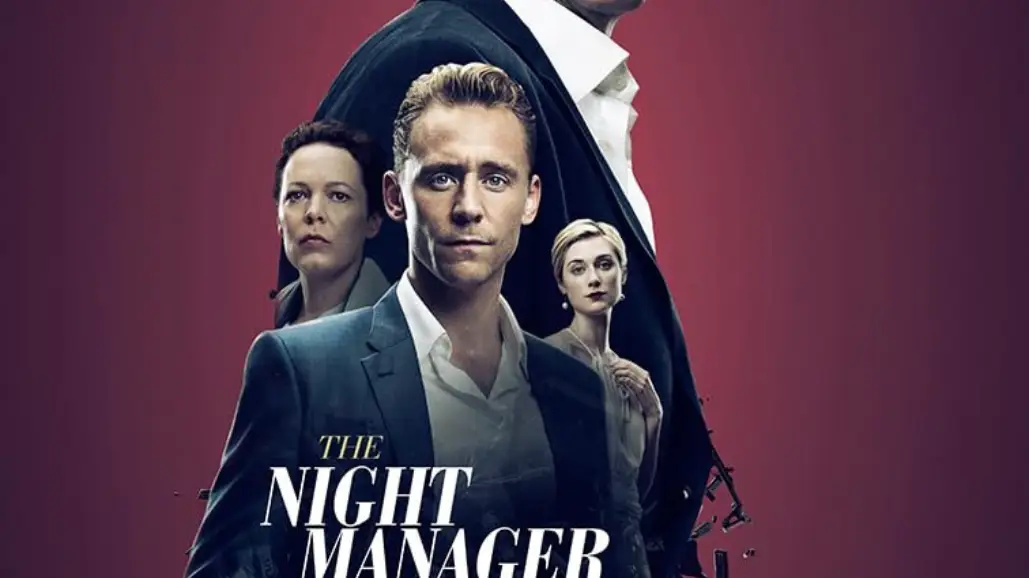
Tom Hiddleston shines in a restrained and realistic spy drama: The Night Manager Season 1 Review
This is the second part of my review. Please read Part 1 before continuing.
Olivia Colman’s portrayal of Angela Burr is one of the most authentic and well-written performances in the series. She plays a pregnant intelligence officer who is constantly encouraged by her superiors to stay quiet, do routine desk work, and avoid rocking the boat.
From the outside, she has every excuse to step back. She is pregnant, overworked, and surrounded by a system that would rather protect itself than confront powerful criminals like Roper. But that is not who Angela Burr is.
Later in the series, she shares a story from her past that fully explains her relentless drive to bring Roper down. While stationed in the Middle East, she volunteered to collect Intel during a children’s sports day. Two gas bombs exploded, and the chemical mixture created sarin gas, so toxic that people had no time to even put on protective masks.
Roper was not directly responsible for the attack, but when he saw the aftermath, he recognized it as a business opportunity and began selling sarin. That moment defines who Roper is, a war profiteer who sees human suffering as market potential. That story alone was enough to put me completely on Angela’s side. It shows the brutal reality of war in a way news reports never do, not as numbers or headlines, but as trauma that stays with you forever.
One of the biggest highlights of The Night Manager is the intense sexual tension between Jonathan Pine, played by Tom Hiddleston, and Sophie, played by Aure Atika. Their chemistry is intimate, sensual, and emotionally loaded. I found myself rooting for them despite knowing that tragedy was inevitable.
The guilt, fear, and desire all play out clearly in Pine’s expressions and body language. That personal loss becomes a powerful motivation for everything Pine does after his first direct encounter with Roper, making his actions feel grounded and believable.
Tom Hiddleston’s natural charm carries the series effortlessly. Jonathan Pine is a man trained in hospitality, calm under pressure, and effortlessly attractive. His ability to read people, impress them, and adapt to dangerous situations is his greatest weapon. Hiddleston brings all of that to life with ease, making Pine both likable and compelling to watch.
And then there is Zed, played by Elizabeth Debicki. She is strikingly beautiful, bold, and dangerous. The short hair, the confidence, and the way she commands attention make her impossible to ignore. Zed feels like a ticking time bomb through Pine’s perspective.
She moves through Roper’s villa with confidence and temptation, constantly testing Pine’s self-control. Falling for the villain’s partner is forbidden in every spy rulebook, yet the tension between them is undeniable. Rather than feeling romantic excitement, I mostly felt fear. Every moment they share made me anxious that Pine was one wrong move away from being exposed and killed. That constant dread stays with you throughout the series and adds another layer of suspense.
The Night Manager Season 1 Review Conclusion
The Night Manager Season 1 is a slow-burning espionage thriller that fully understands the power of patience. It takes its time to let tension breathe, whether that tension is sexual, emotional, political, or rooted in pure survival. The show excels at building atmosphere, gradually tightening the noose around its characters instead of rushing toward cheap thrills. Every glance, every pause, and every unspoken threat carries weight.
What makes The Night Manager stand out is how balanced it feels. It does not revolve only around the hero and the villain. Supporting characters are given space, purpose, and believable arcs, making the world feel lived-in and authentic. The espionage elements feel grounded and realistic, but the most relatable and unsettling aspect of the show is its portrayal of bureaucratic corruption, political compromise, and the moral rot that allows war profiteers like Roper to thrive.
At its core, the show is not just about spies and undercover missions. It is about how powerful nations, under the guise of peace and security, test and sell weapons, fund destruction with taxpayers’ money, and turn human suffering into profit. That uncomfortable truth is the show’s biggest takeaway. We, as viewers, know who the real villains of the world are, and the most frustrating part is knowing how little power ordinary people have to stop them.
Visually, the show maintains a strong identity. The direction is stylish without being flashy, the locations feel purposeful, and the background always supports the story instead of distracting from it. Add to that a cast filled with charismatic, complex, and undeniably attractive characters, and the series becomes not just tense but deeply watchable. It is serious, seductive, and gripping in equal measure.
Overall, The Night Manager Season 1 is an excellent, highly bingeable espionage drama that respects its audience’s intelligence and rewards patience. With Season 2 beginning today, the story is far from over. If you want reviews and deep dives into the upcoming season, do not forget to follow bucketfulent.com. Bookmark the site, keep it in your browser speed dial, because if you lose us, we lose you, and we do not want that.
Thank you for reading.